Jan 12, 2026
How Do You Remove Ice Dams Safely?
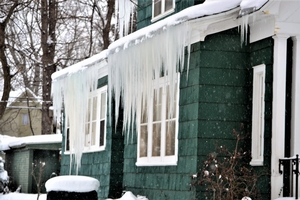
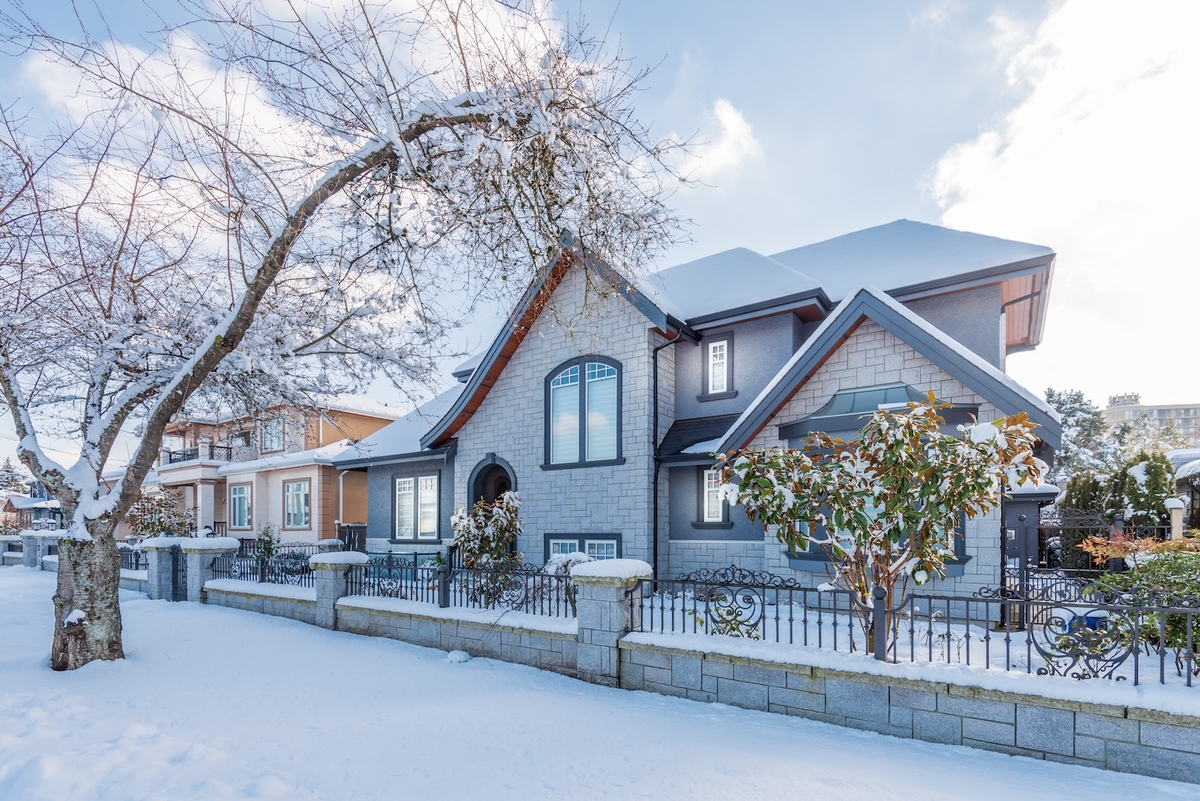
Ice dams are a common winter problem for homeowners in cold climates. They form when snow melts on warmer areas of the roof and refreezes along the edges. Trapped moisture can seep under shingles and into your home, leading to leaks and costly roof repair.
Proper ice dam removal is essential for protecting your roof, attic, insulation, and interior spaces during harsh winter months. Experts recommend non-damaging removal methods that melt ice gradually without harming shingles or gutters, since aggressive techniques can cause even more damage.
In this guide, we explain what ice dams are, where they form, and how to remove ice dams safely, including when DIY solutions or professional winterization services are best.
What Is an Ice Dam?
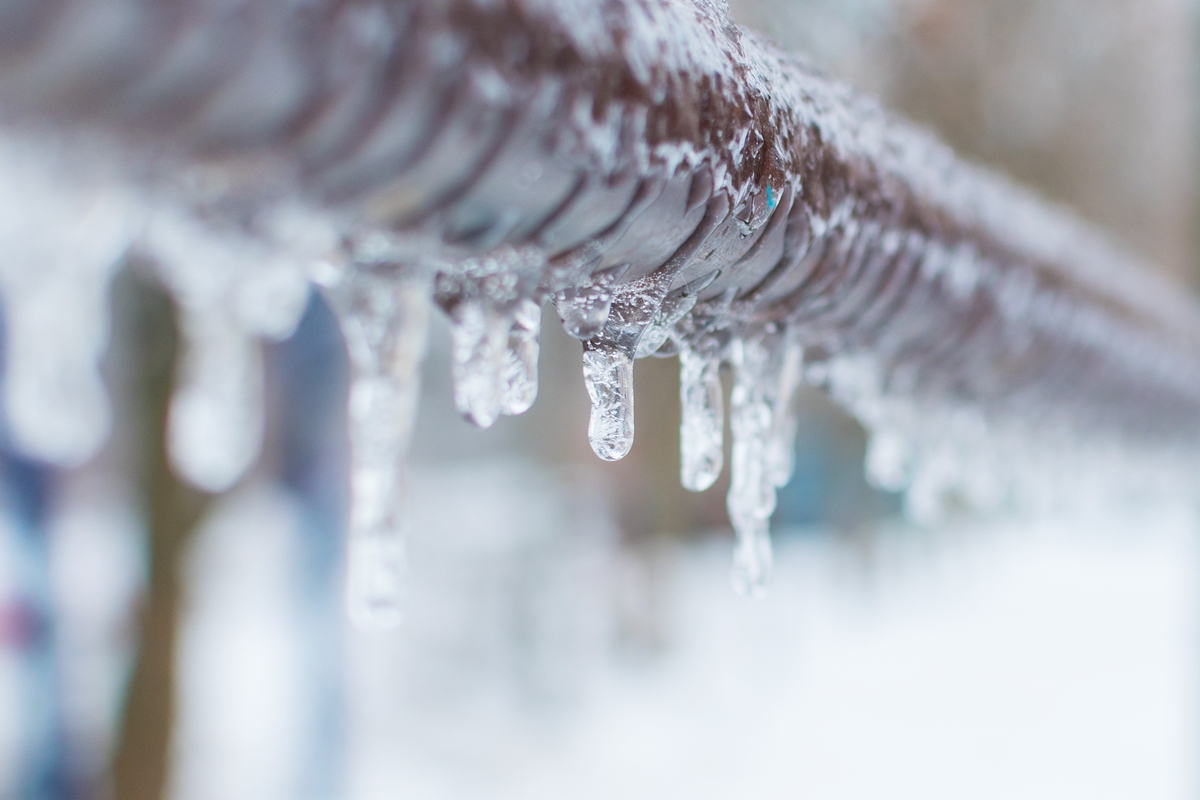
An ice dam is a ridge of ice that forms along the edge of a roof, usually near the gutters or eaves. It develops when heat from inside your home causes snow on the upper part of the roof to melt. As that water flows downward, it reaches colder areas near the roof edge and refreezes, creating a dam.
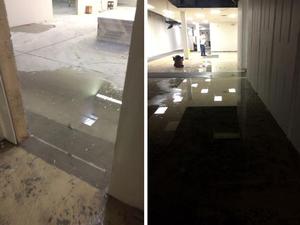
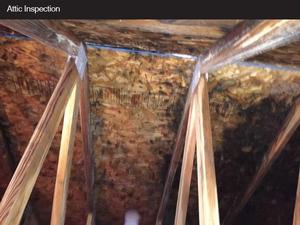
As melting snow continues to hit that frozen ridge, water backs up behind it and can seep under shingles. Over time, moisture can lead to:
Roof leaks
Damaged insulation
Stained ceilings and walls
Mold growth inside the home
In severe cases, contaminated water intrusion can lead to sewage emergencies that require professional sewage backup cleanup .
Where Do Ice Dams Occur?
Ice dams most commonly form along roof eaves above exterior walls. These areas are typically colder because they extend beyond the heated portion of the home, making them a prime spot for refreezing water.
They’re especially common on homes with:
Uneven attic insulation that allows heat to escape
Poor attic ventilation that traps warm air
Complex rooflines with valleys, dormers, or skylights
Knowing where they form makes it easier to spot early warning signs and decide how to get rid of ice dams before they cause lasting damage.
How To Safely Remove Ice Dams On Your Roof
If you already have ice dams, here’s how to remove ice from the roof safely without causing further damage.
Use a Roof Rake From the Ground
One of the safest ice dam removal methods is using a long-handled roof rake to clear excess snow before it turns into ice.
To use a roof rake safely:
Stand several feet away from the home to avoid falling snow or ice
Gently pull snow down from the roof edge in small sections
Clear the first 3–6 feet of snow above the eaves
Regular snow removal prevents ice from forming and spreading, reducing the risk of winter roof repair and frozen pipes .
Apply Calcium Chloride Ice Melt
You can also use calcium chloride ice melt to help remove ice dams. This product is typically available at local hardware stores. Calcium chloride works at lower temperatures and is less likely to damage shingles, gutters, or nearby landscaping than other ice melts.
How to apply calcium chloride safely:
Fill a fabric tube or old sock with calcium chloride pellets
Place it vertically across the ice dam so it extends over the roof edge
Let it melt a channel through the ice, allowing trapped water to drain
Avoid spreading ice melt across large areas of the roof. Controlled, gradual melting is key to removing ice dams without causing cracks or further roof damage.
What Not To Do When Removing Ice Dams
Some common ice dam removal methods can do more harm than good. While it may be tempting to remove ice quickly, unsafe techniques often lead to roof damage, personal injury, or costly repairs.
Avoid the following when learning how to remove ice from your roof:
Do not chip or chisel the ice
Using hammers, axes, or metal tools can crack shingles, damage roofing underlayment, and create entry points for water.Do not use rock salt
This product can corrode gutters, stain siding, and damage landscaping. It can also speed up shingle deterioration.Do not climb onto an icy roof
Snow- and ice-covered roofs are extremely slippery. Falls from roofs are a leading cause of winter injuries.Do not use open flames or heat sources
Torches or heat guns can damage roofing materials and increase fire risk.
Knowing what not to do is just as important as knowing how to remove ice dams safely. Using improper methods can turn a manageable winter issue into a major restoration project.
Call On-Site Specialty Cleaning + Restoration for Residential Winterization Services
If you’re worried about ice dams, On-Site Specialty Cleaning + Restoration can help prevent and remove them before they cause serious harm. Our residential winterization services in Northern and Metro Detroit address heat loss, insulation gaps, and ventilation issues, reducing the risk of roof leaks, frozen pipes, and interior water damage.
We provide safe, professional ice dam removal, identify conditions that contribute to recurring problems, and take steps to minimize moisture intrusion.
If ice dams have already caused leaks, our water damage restoration services can help prevent permanent damage, mold growth, and costly roof repairs.
We’re here to keep your home protected year-round. To speak with a local expert or schedule service, contact us today .
Related Articles
Stay ahead of seasonal damage with additional guidance from the experts at On-Site Specialty Cleaning + Restoration: