Knowing how to winterize your home is key to protecting it from freezing temperatures and harsh winter weather. Taking the right steps can prevent frozen pipes, ice dams, and costly winter roof repair.
Follow this winterization checklist to keep your home safe and your family comfortable throughout the winter season.
Why Do You Need To Winterize Your Home?
Winterization reduces the risk of common winter problems, such as frozen pipes and roof damage, while keeping your heating system running more efficiently. This saves you money on repairs, keeps your home energy-efficient, and prevents uncomfortable disruptions.
Here’s how to winterize your home:
1. Prepare Your Heating System
Before the temperature drops, make sure your heating system is ready for the cold. Schedule a professional tune-up and replace your air filters. It’s a simple step that can keep your system running efficiently without increased energy costs. Also, inspect your air ducts for leaks, which can let warm air escape and make your system work harder.
2. Protect Your Plumbing
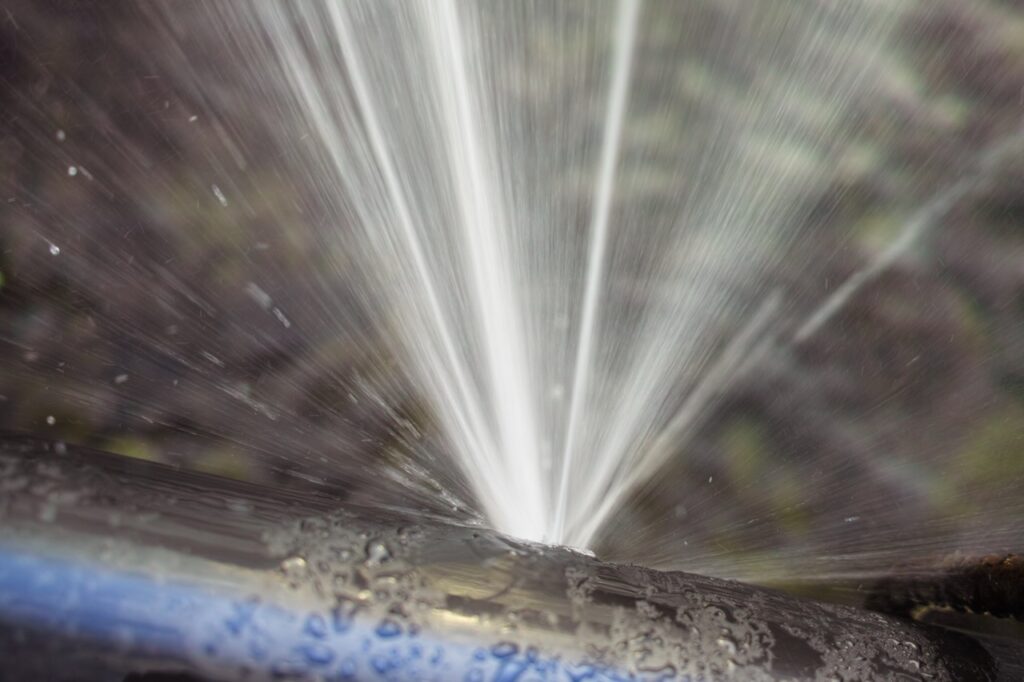
Frozen pipes can lead to costly water damage. Protect your plumbing by insulating exposed pipes. Be sure to disconnect outdoor hoses and store them properly, as water trapped inside can freeze and cause damage.
For areas prone to extreme cold, like basements, attics, or crawl spaces, consider adding insulation or heating cables for extra protection. Professional frozen pipe prevention can provide complete protection for your plumbing system.
3. Shut-off & Drain
If you plan to be away for an extended period during the winter, turn off exterior water supplies and drain your pipes. This helps prevent water from freezing and causing harm while you’re away.
If you do experience water damage, contact the professionals at On-Site 24/7 for fast and reliable water damage restoration.
4. Sealing Drafts & Insulation
Cold air can easily enter through gaps and cracks around windows and doors. Seal them with weatherstripping or caulk to prevent cold air leaks.
You can also add insulation to your attic or other areas prone to heat loss helps to keep your home warmer and reduces strain on your heating system. This will also save money on heating costs in the long run.
5. Exterior Maintenance
Gutters & Roof
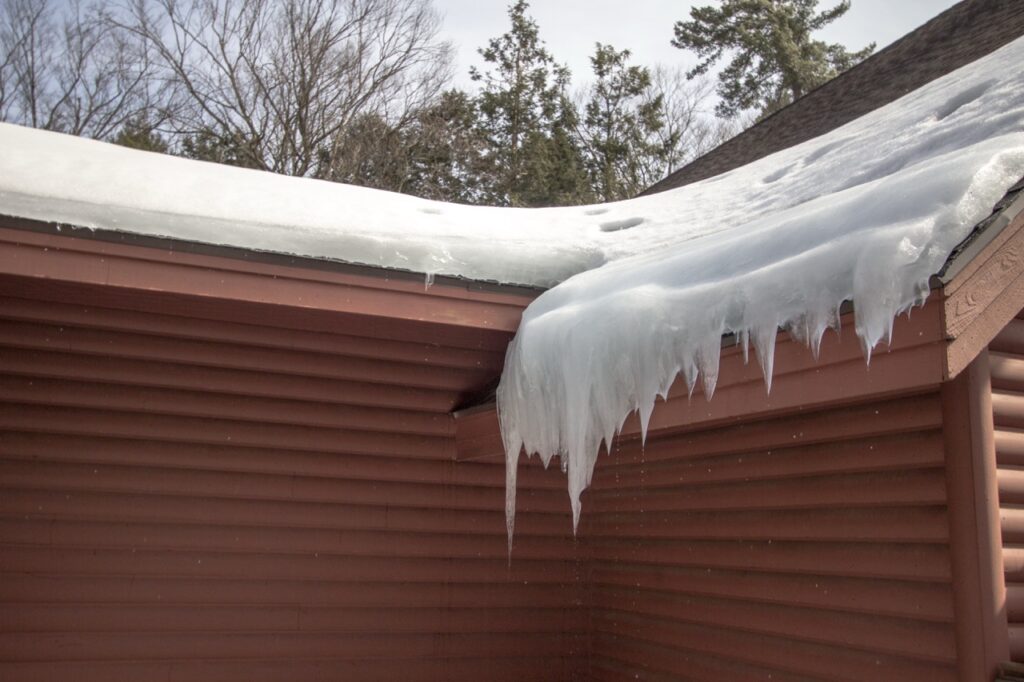
Before snow and ice arrive, clean your gutters and inspect your roof. Leaves, twigs, and other debris can block gutters, leading to ice dams and potential water damage. Check for loose or damaged shingles that could cause leaks later.
Winter Roof Repair
If you notice any roof issues, have them repaired before winter sets in. Fixing problems early is easier and less expensive than waiting until your roof is covered in snow and ice.
6. Trim Trees
Winter storms can bring heavy snow and ice that break weak or dead tree branches, which may fall on your roof, driveway, or even power lines. Trim back any dead or damaged branches to reduce the risk of breakage.
By maintaining your trees, you protect your property from potential damage and help prevent power outages caused by fallen branches.
7. Safety & Preparedness
Detectors & Alarms
Check your smoke and carbon monoxide detectors. These life-saving devices are especially important when using a furnace or other fuel-burning systems. Test each detector and replace batteries as needed.
Properly functioning detectors help keep your family safe from fire hazards and carbon monoxide poisoning during the cold months.
Start Winterizing Your Home
Now that you know how to winterize your home, the best time to start is early fall, before temperatures begin to drop. Waiting until it’s already cold can make the process more difficult and less effective. Taking small steps now can save you time, money, and stress later.
Call a Home Winterization Expert
Winterizing your home is essential to prevent plumbing, HVAC, and other property damage throughout the winter season. On-Site Specialty Restoration + Repair offers professional winterization services to ensure your home is prepared.
From winter roof repair to sewage backup cleanup, we help homeowners across Northern and Metro Detroit keep a safe and comfortable home year-round. Our certified technicians offer top-quality workmanship and customer service so you can relax and enjoy the cold season without worry.
Schedule a Winterization Service Today
Related Articles
Want more tips on how to winterize your home? On-Site Specialty Cleaning + Restoration is here to help:
- How to Prevent Your Pipes from Freezing and Bursting
- What to Do After a Pipe Burst
- How to Remove Ice Dams
Frequently Asked Questions
Does On-Site provide reconstruction services?
No, On-Site specializes in flood damage mitigation and restoration. We work closely with reputable contractors for any necessary reconstruction work.
How can I tell if my water pipes are frozen?
Signs of frozen pipes include reduced water flow or no water at all from faucets, unusual odors from drains, and visible frost on exposed pipes. If you suspect a water pipe freeze, it’s essential to act quickly to prevent bursting.
How long does it take to clean up water damage from a burst pipe?
The time it takes to clean up water damage from a burst pipe depends on various factors, including the extent of the damage and the drying process. Our team at On-Site works efficiently to minimize downtime and restore your property as quickly as possible.
How long does the contents packout process typically take?
The duration of the packout process depends on various factors, such as the extent of the damage and the number of items requiring restoration. We strive to complete the process efficiently while ensuring thorough cleaning and restoration.
How long does the water damage restoration process take?
The duration of the water damage restoration process depends on factors such as the extent of the damage, the type of services required, and the size of the affected area. On-Site’s experienced team works efficiently to restore your property as quickly as possible, minimizing downtime and disruption.
How long does the water extraction process take?
The duration of the water extraction process can vary depending on the extent of the damage and the size of the affected area. In general, our team at On-Site strives to respond promptly to water damage emergencies and initiate extraction and drying processes as quickly as possible. Factors such as the amount of water present, the type of flooring and materials affected, and environmental conditions can all influence the timeline. Rest assured, we work efficiently to restore your property to its pre-damage condition as soon as possible.